MANUFACTURING
Toll Manufacturing
Production to your established process, using Lorad equipment, labor, facility resources, and quality controls.
Toll manufacturing is intended for customers who already know how their material should be produced and need a qualified manufacturing partner to execute the process reliably.
Established Process
The customer provides a defined process, recipe, production method, or technical manufacturing framework.
Manufacturing Execution
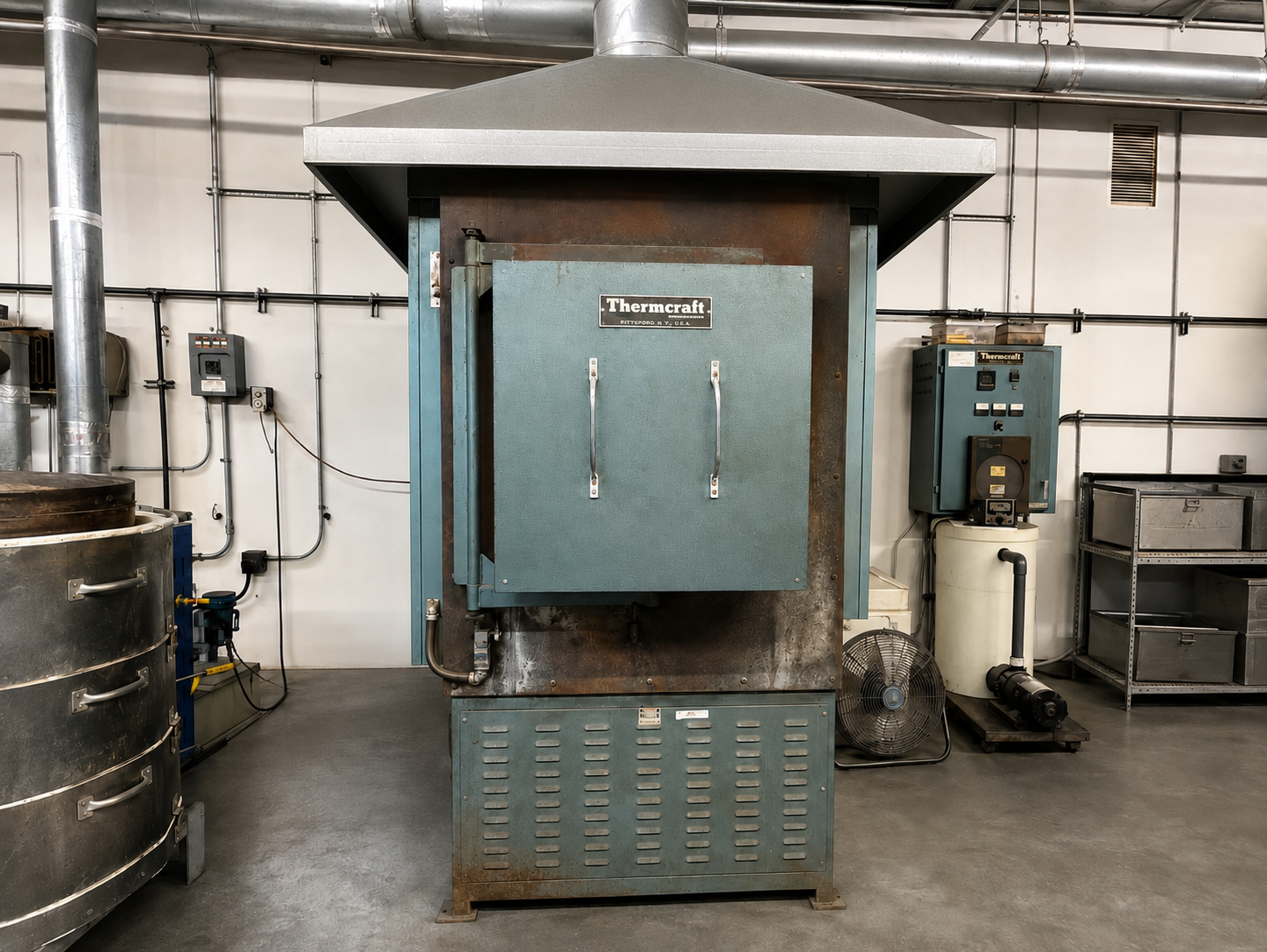
Lorad provides suitable equipment, trained personnel, facility resources, and controlled production.
Defined Quality Requirements
Production can be performed against agreed process controls, testing requirements, and acceptance criteria.
WHAT TOLL MANUFACTURING MEANS
You provide the process, Lorad provides the manufacturing capability
Toll manufacturing is appropriate when a customer already has an established method for producing a material but does not want to build, staff, or maintain the required production capability internally.
The process may come from the customer's own research, an existing production operation, a technology transfer, or another qualified source. Lorad evaluates whether the process can be executed safely and effectively using available equipment and facility capabilities.
The objective is manufacturing execution rather than invention of the underlying chemistry. Where substantial process development is still required, Product & Process Development or Custom Manufacturing may be the better starting point.
A Good Fit When
You have a defined recipe, process sequence, operating conditions, or production method and need an external manufacturer capable of performing it.
Projects can range from periodic batch production to recurring manufacturing, depending on the chemistry, process, equipment fit, and required quantity.
WHAT LORAD CAN PROVIDE
Processing Equipment
Suitable furnaces, reactors, powder processing equipment, controlled atmosphere systems, and related production resources.
Experienced Personnel
Scientists, engineers, technicians, and production personnel experienced with specialty inorganic materials.
Controlled Production
Documented operating procedures, process controls, material handling, and production records appropriate to the project.
Analytical Support
In house characterization can support process verification, troubleshooting, and finished material acceptance where required.
WHAT WE NEED FROM THE CUSTOMER
A process that is sufficiently defined to transfer
Process Instructions
A documented process sequence, recipe, operating conditions, or other technical information sufficient to understand how the material is intended to be produced.
Material Requirements
Target composition, purity, physical characteristics, packaging requirements, and any other critical finished product specifications.
Acceptance Criteria
Agreed analytical methods, process limits, release criteria, or other requirements used to determine whether the manufactured material is acceptable.
PROJECT FLEXIBILITY
The supply arrangement can be structured around the process
Depending on the project, raw materials may be supplied by the customer, sourced by Lorad, or handled through a combination of the two.
Packaging, testing, documentation, storage, and shipment requirements can likewise be incorporated into the manufacturing scope when agreed in advance.
The exact structure depends on the chemistry, process hazards, material availability, equipment requirements, production frequency, and commercial arrangement.
HOW A TOLL PROJECT WORKS
Technical Review
Review the process, chemistry, hazards, equipment requirements, specification, and expected production volume.
Process Transfer
Translate the established customer process into documented production instructions suitable for Lorad equipment and facility controls.
Qualification Batch
Run an initial production batch to confirm execution, product quality, documentation, and acceptance criteria.
Recurring Production
Once qualified, manufacture future batches according to the agreed process and production requirements.
SUITABLE PROCESS TYPES
Thermal Processing
High temperature reactions, calcination, solid state synthesis, and controlled furnace operations.
Controlled Atmospheres
Processes requiring inert, reactive, low moisture, or otherwise controlled gas environments.
Wet Chemical Processes
Solution based reaction, precipitation, washing, filtration, drying, and related batch operations.
Powder Processing
Blending, milling, classification, particle processing, and other finishing operations where equipment fit is appropriate.
CHOOSING THE RIGHT MANUFACTURING SERVICE
TOLL MANUFACTURING
You already have the process
Lorad executes an established manufacturing method using suitable equipment, personnel, facility resources, and agreed quality controls.
CUSTOM MANUFACTURING
You need a material made to your requirements
Lorad may develop or adapt the synthesis route and then manufacture the resulting material to an agreed specification.
SCALABLE MANUFACTURING
You need a successful process to produce more
The emphasis is on increasing quantity while preserving repeatability, process control, and required material properties.
TECHNOLOGY TRANSFER
Moving an established process into Lorad production
A toll manufacturing project often begins with a technical transfer from the customer to Lorad. The objective is to understand the critical process parameters, material handling requirements, operating sequence, and product acceptance criteria well enough to reproduce the process within Lorad's manufacturing environment.
Where equipment geometry or facility conditions differ from the customer's original setup, limited engineering adaptation may be necessary. If those changes become substantial process development, the work can be treated separately as a development project.
Customer Process Ownership
Toll manufacturing is particularly well suited to customers who want to retain ownership and control of their underlying process while outsourcing production execution.
Process ownership, confidentiality, documentation access, and use restrictions should be defined in the applicable manufacturing and confidentiality agreements.
CONFIDENTIALITY & PROCESS PROTECTION
Protecting proprietary manufacturing information
Toll manufacturing may require customers to disclose proprietary recipes, process conditions, equipment requirements, specifications, and operating knowledge. Appropriate confidentiality, nondisclosure, ownership, and use restrictions can be established before detailed process information is transferred.
RELATED SERVICES
Have an established process that needs a manufacturing partner?
Send us the process type, chemistry, expected batch size, annual volume, and critical production requirements.