RESEARCH & DEVELOPMENT
Basic Research
Early stage scientific investigation and iterative testing for new inorganic materials, processes, and technical concepts.
Lorad provides the technical expertise, laboratory resources, and practical materials experience needed to investigate a new idea before it advances into formal product and process development.
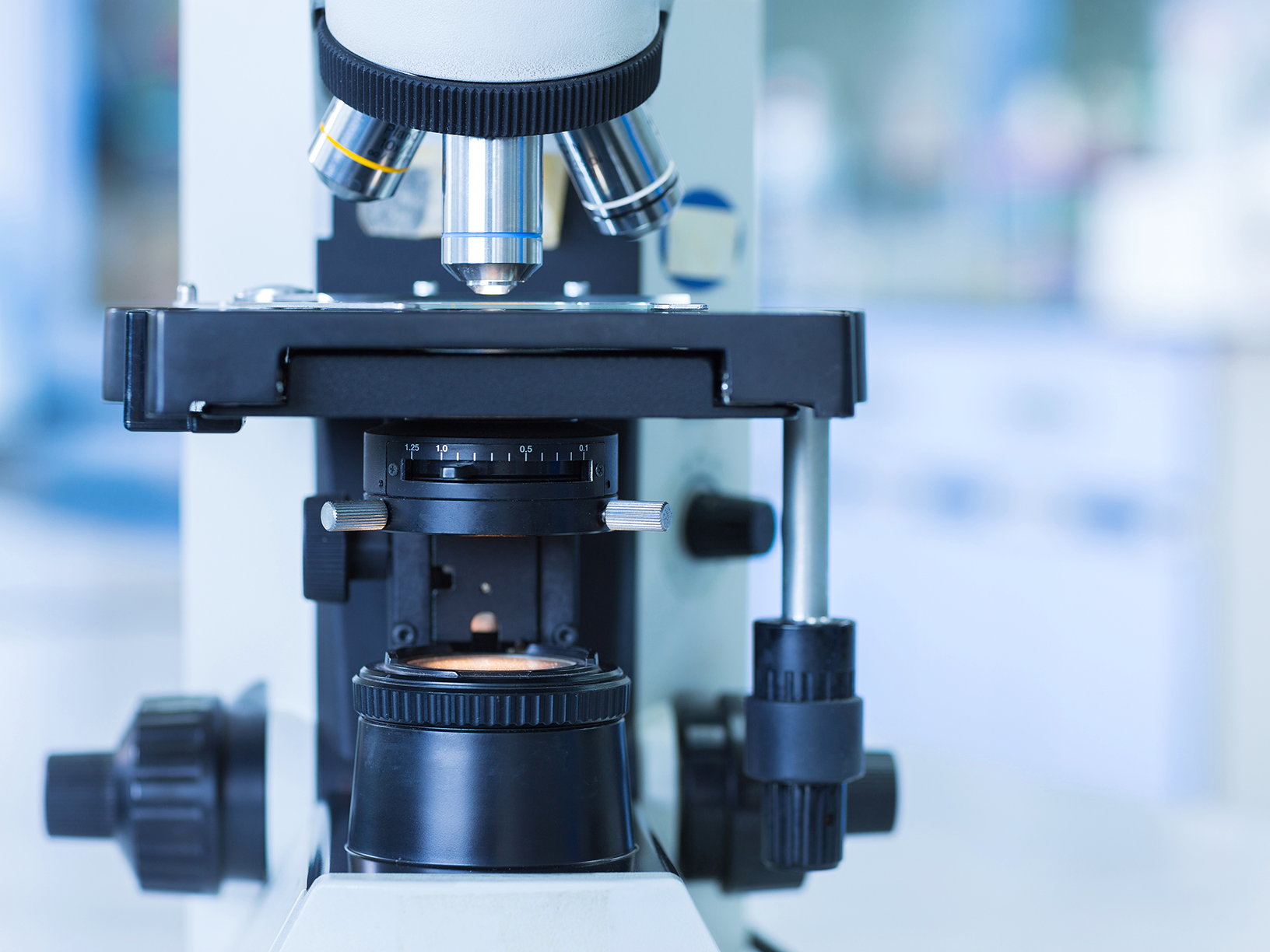
Early Stage Investigation
Test theories, answer technical questions, and investigate new materials or processes.
Iterative Testing
Systematic experimental work to evaluate concepts, variables, and possible technical paths.
Confidential Work
Projects can be supported by confidentiality, nondisclosure, and intellectual property agreements.
WHAT BASIC RESEARCH MEANS
Investigating an idea before development begins
Basic research is the scientific investigation and iterative testing performed at the beginning of a new idea. The objective may be to test a theory, answer a technical question, investigate a phenomenon, or determine whether a proposed material or process is practical.
Some concepts progress into product and process development. Others do not. The value of early research is determining which technical paths are worth pursuing before committing substantial resources to scale up or commercialization.
Lorad has decades of experience in inorganic chemical manufacturing and has developed numerous proprietary processes used in our own manufacturing operations and in customer projects. Our scientists, engineers, and technicians bring practical manufacturing and product development experience to research programs.
Research Scope
Projects may range from short term laboratory work to complex iterative testing or a broader research program.
Basic research services may be purchased independently and do not require the purchase of Lorad manufactured products.
RESEARCH CAPABILITIES
Laboratory Investigation
Experimental evaluation of new inorganic materials, reactions, and synthesis concepts.
Process Exploration
Study process variables and possible routes before committing to formal development.
Iterative Testing
Repeat experiments with controlled changes to identify promising technical approaches.
Technical Evaluation
Determine whether an idea warrants further product, process, or scale up development.
HOW WE WORK
Define the Question
Establish the technical objective, known constraints, and information the research should produce.
Design the Work
Develop an experimental approach appropriate to the material, process, or technical uncertainty.
Test and Iterate
Perform laboratory work and adjust variables as results identify more promising directions.
Determine Next Steps
Use the results to decide whether to continue research or move into product and process development.
EXAMPLES
Research programs that led to practical materials work
Focused Energy Synthesis
Lorad conducted iterative testing of multiple configurations and process frameworks that contributed to development of a focused energy synthesis process used to produce nanoscale materials.
Cerium Doped Yttrium Aluminum Garnet
Lorad has performed research involving cerium doped yttrium aluminum garnet for customer applications involving LED materials.
From Research to Development
When a concept demonstrates sufficient technical promise, Lorad can continue the work through product and process development and, where appropriate, into scalable manufacturing.
Product & Process DevelopmentCONFIDENTIALITY & INTELLECTUAL PROPERTY
Protecting customer research
Because basic research may lead to a new product or process, Lorad recognizes the importance of protecting customer confidentiality and intellectual property. Standard nondisclosure, confidentiality, patent rights, and ownership agreements are available, or customers may provide their own agreements for review.
RELATED SERVICES
Have a research question or new material concept?
Tell us what you are trying to investigate and where you are in the development process.